

 EN
EN
Podzemni vodni sustavi — Materijalni vodič
Koja je vrsta PVC cijevi najbolja za podzemne vodoopskrbne vodove?
Pomni pogled na nazivne tlakove, temperaturnu toleranciju, dubinu ukopavanja i metode spajanja — i zašto jedna kategorija PVC cijevi dosljedno nadmašuje ostale ispod zemlje.
Kratak odgovor
Za podzemne vodovodne vodove, preporučeni izbor je PVC cijev s oznakom tlaka koja je u skladu s klasifikacijom Schedule 40 ili SDR (Standardni omjer dimenzija) . Ove cijevi su projektirane posebno za ukopane sustave pitke vode pod tlakom, nudeći ravnotežu čvrstoće na pucanje, otpornosti na koroziju i dugoročne izdržljivosti s kojom se PVC odvodnje tankih stijenki ne može mjeriti.
Među četiri uobičajene vrste PVC cijev — Raspored 40, Raspored 80, SDR tlačna cijev i tankostjena DWV cijev — Raspored 40 i SDR tlačna cijev prikladne su za podzemnu distribuciju pitke vode. Raspored 80 općenito je rezerviran za nadzemne ili industrijske pogone pod velikim naprezanjem, dok se DWV cijev nikada ne smije koristiti za dovod vode pod pritiskom.
Ukopani vodovodni vodovi moraju izdržati unutarnji pritisak, vanjsko opterećenje tla i godine izloženosti podzemnim vodama — istovremeno. Izbor cijevi mora uzeti u obzir sve tri odjednom, a ne samo jednu.
Usporedba četiri vrste PVC cijevi
Svaka vrsta PVC cijevi proizvodi se prema različitim standardima i predviđenim slučajevima uporabe. Razumijevanje ovih razlika sprječava skupe pogreške tijekom instalacije, posebno jer je ukopanu cijev teško i skupo zamijeniti jednom zatrpanom.
| Vrsta cijevi | Tipična debljina stijenke | Sposobnost pritiska | Prikladno Podzemlje |
|---|---|---|---|
| Raspored 40 PVC | srednje | Do 280 PSI | da |
| Raspored 80 PVC | Debeo | Viši od Sch. 40 | Samo za selektivnu upotrebu |
| SDR tlačna cijev | Proporcionalno promjeru | 160–315 PSI | da, widely used |
| DWV cijev tankog zida | Tanak | Nije pod tlakom | br |
Cijev Schedule 40 je najčešće navedena opcija za stambene i lake komercijalne podzemne vodove, nudeći dokazanu ravnotežu cijene, dostupnosti i snage. SDR tlačna cijev je omiljena u komunalnoj i poljoprivrednoj distribuciji jer se njezina debljina stjenke mijenja s promjerom, održavajući učinkovitu upotrebu materijala u širokom rasponu veličina cijevi, a istovremeno zadovoljava zahtjeve tlaka.
Razumijevanje PVC PSI ocjene
The pvc psi ocjena je jedna od najvažnijih specifikacija koju treba provjeriti prije odabira cijevi za podzemni vod. Ova vrijednost označava maksimalni trajni unutarnji tlak vode koji cijev može sigurno podnijeti na referentnoj temperaturi, obično 73°F (23°C). Stambeni sustavi općenito rade između 40 i 80 PSI, tako da većina Schedule 40 ili SDR-21 cijevi, ocijenjenih znatno iznad tog raspona, pruža znatnu sigurnosnu granicu.
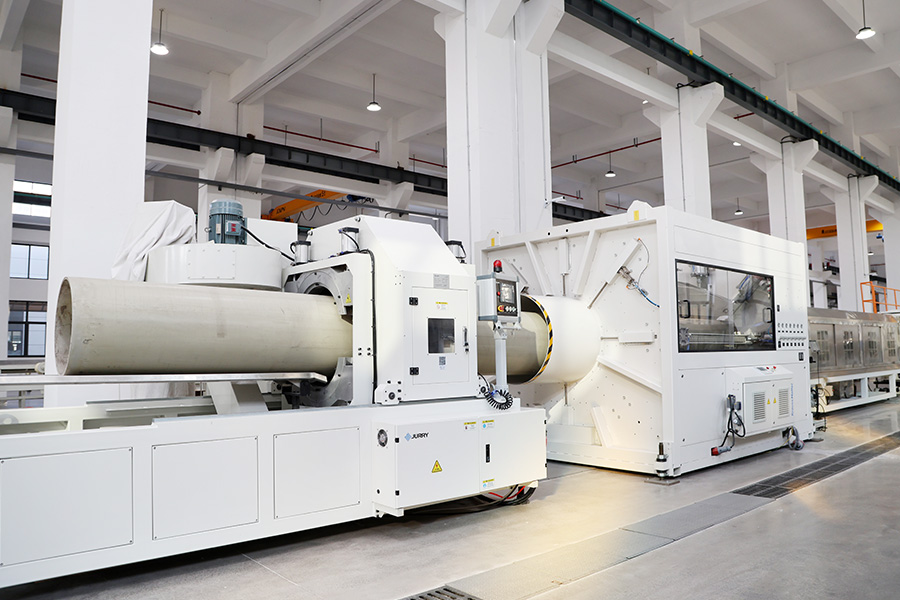
PVC cijev
Info
Ukopana cijev doživljava više od unutarnjeg pritiska vode. Zbijanje tla, opterećenje vozila iznad rova, ciklusi smrzavanja i odmrzavanja i povremeni vodeni udari dodaju naprezanje koje cijev s oznakom mora apsorbirati.
Kontrolni popis za odabir prije kopanja
- Provjerite statički i radni tlak izvora vode prije odabira klase cijevi.
- Uzmite u obzir promjene visine duž trase rova, jer tlak raste s vertikalnim padom.
- Dodajte sigurnosnu marginu za vodeni udar, posebno u blizini zapornih ventila ili pumpi.
- Provjerite minimalne lokalne vodoinstalaterske kodove, koji često navode minimalnu PSI klasu za ukopane vodove.
Temperaturne vrijednosti PVC-a i rad pod zemljom
Dok je podzemna cijev prirodno izolirana od promjena površinske temperature, razumijevanje pvc temp ponašanje je i dalje bitno, osobito u regijama s vrućom podzemnom vodom, geotermalnim utjecajem ili malom dubinom zakopavanja. Standardna PVC cijev je ocijenjena za kontinuiranu upotrebu do oko 140°F (60°C), ali njezin kapacitet pritiska značajno opada kako temperatura raste - na 100°F, cijev ocijenjena za 200 PSI na sobnoj temperaturi može podnijeti samo otprilike 62% te ocjene.
Ovdje je šire temperaturne vrijednosti plastičnih cijevi postaju relevantni za odabir materijala. Ako projekt uključuje toplu klimu, plitko kopanje u tlu izloženom suncu ili blizinu izvora topline kao što su ispusni vodovi kotla, standardni PVC možda nije pravi izbor. Dizajneri često uspoređuju PVC s CPVC-om, koji podnosi više radne temperature - što je tipično temperaturni raspon cpvc cijevi proteže se do oko 200°F (93°C), što ga čini boljim za distribuciju tople vode, iako se CPVC rijetko koristi za opskrbu hladnom podzemnom vodom jer košta više, a nema funkcionalne koristi.
Praktično za ponijeti
Za ukopanu opskrbu hladnom vodom ili vodom s temperaturom okoline, standardni PVC radi pouzdano unutar svog nazivnog raspona. Rezervirajte CPVC za vodove tople vode ili okruženja gdje trajne temperature redovito premašuju sigurnosno radno razdoblje za PVC.
Razmatranja dubine ugradnje i tla
Ispravna dubina ukopavanja štiti PVC vodove od oštećenja smrzavanjem i površinskog opterećenja. Većina kodova zahtijeva minimalni pokrov od 12 do 18 inča za tople klime, dok regije s hladnom klimom često zahtijevaju dubine ispod lokalne granice smrzavanja, koje mogu biti u rasponu od 24 inča do preko 48 inča, ovisno o geografiji.
| Klimatska zona | Tipična minimalna dubina | Ključni rizik ako je previše plitko |
|---|---|---|
| Toplo / bez smrzavanja | 12–18 inča | Oštećenje površinskog opterećenja |
| Umjereno smrzavanje | 24–30 inča | Djelomično pucanje smrzavanjem |
| Jako smrzavanje | 36–48 inča | Potpuni puknuće cijevi |
Upozorenje
Materijal posteljine je bitan. Sloj pijeska ili finog, zbijenog tla bez oštrog kamenja trebao bi okružiti cijev kako bi se spriječilo naprezanje točkastim opterećenjem koje može s vremenom popucati čak i cjevovod ispravno ocijenjenog tlaka.
Metode spajanja podzemnih PVC vodova
Dvije metode spajanja dominiraju u podzemnim PVC instalacijama vodoopskrbe: zavareni (cementni) spojevi i zabrtvljeni spojevi zvona i nastavka.
- Zavareni spojevi otapala stvaraju stalnu, spojenu vezu i uobičajeni su u stambenim instalacijama iz Priloga 40.
- Brtveni spojevi dopuštaju malu fleksibilnost za apsorbiranje pomicanja tla i često se preferiraju za duže gradske ili poljoprivredne vožnje.
- Navojni spojevi općenito se izbjegavaju pod zemljom, budući da navoji slabe stijenku cijevi i povećavaju rizik curenja pod stalnim pritiskom.
opasnost
Bez obzira koja se metoda odabere, spojeve je potrebno ispitati pod tlakom prije zatrpavanja rova — popravci nakon zakopavanja znatno su skuplji i ometaju rad.
Dimenzioniranje i dugoročna pouzdanost
Promjer cijevi treba biti dimenzioniran tako da održava odgovarajuću brzinu protoka, općenito između 5 i 8 stopa u sekundi, izbjegavajući i prekomjerni gubitak tlaka i prerano trošenje zbog turbulencije pri većim brzinama. Premala cijev opterećuje pumpe i smanjuje pritisak na učvršćenjima, dok prevelika cijev dodaje nepotrebne troškove materijala bez funkcionalne koristi.
Pravilno odabrana i postavljena PVC cijev za dovod vode, zaštićena od UV zračenja prije zakopavanja i zaštićena od mehaničkih oštećenja tijekom zatrpavanja, obično ima radni vijek duži od 50 godina . Ova dugotrajnost, u kombinaciji s otpornošću na koroziju koja nadmašuje metalne cijevi u većini uvjeta tla, glavni je razlog zašto PVC s oznakom tlaka ostaje standardni izbor za distribuciju podzemne vode u stambenim, poljoprivrednim i komunalnim projektima.
U sažetku
Prilikom odabira PVC cijevi za podzemni vodoopskrbni vod, dajte prednost cijevima s oznakom tlaka prema rasporedu 40 ili SDR cijevima u odnosu na tankostjenu ili netlačnu vrstu. Uskladite PSI ocjenu cijevi s radnim tlakom sustava sa sigurnosnom marginom, potvrdite da temperatura cijevi odgovara uvjetima lokacije, zakopajte je ispod lokalne granice mraza s odgovarajućom podlogom i odaberite metodu spajanja koja odgovara mjerilu projekta. Slijeđenje ovih kriterija rezultira ukopanim sustavom vode koji pouzdano radi desetljećima uz minimalno održavanje.

 Sjedište: br. 539 Bohai Road, okrug Beilun, grad Ningbo, provincija Zhejiang, NR Kina
 +86-18067123177